


Environmental & Consulting Services
Cick Here to Learn More


Responsibility Matters
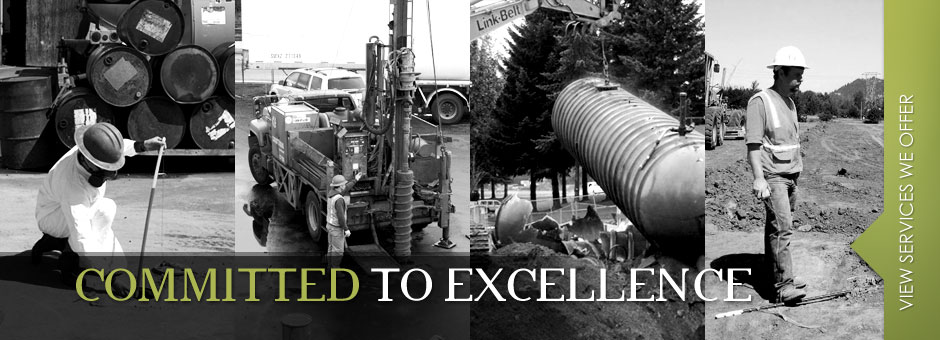
Responsibility and innovation distinguish the work of BB&A Environmental. Finding timely and affordable solutions to complex environmental problems is the foremost responsibility of the professional engineers and geologists of BB&A Environmental. To this end, BB&A Environmental has successfully applied innovative approaches to our client’s best interests. Since January of 1989, BB&A Environmental has provided innovative and responsible environmental consulting and engineering services to municipal, industrial, commercial, and private concerns throughout the Pacific Northwest. Professional services provided by BB&A Environmental include a broad spectrum of site investigation and assessment, field monitoring, and, when required, site remediation. BB&A Environmental provides both environmental and geotechnical drilling and probing services.
Renewable Energy
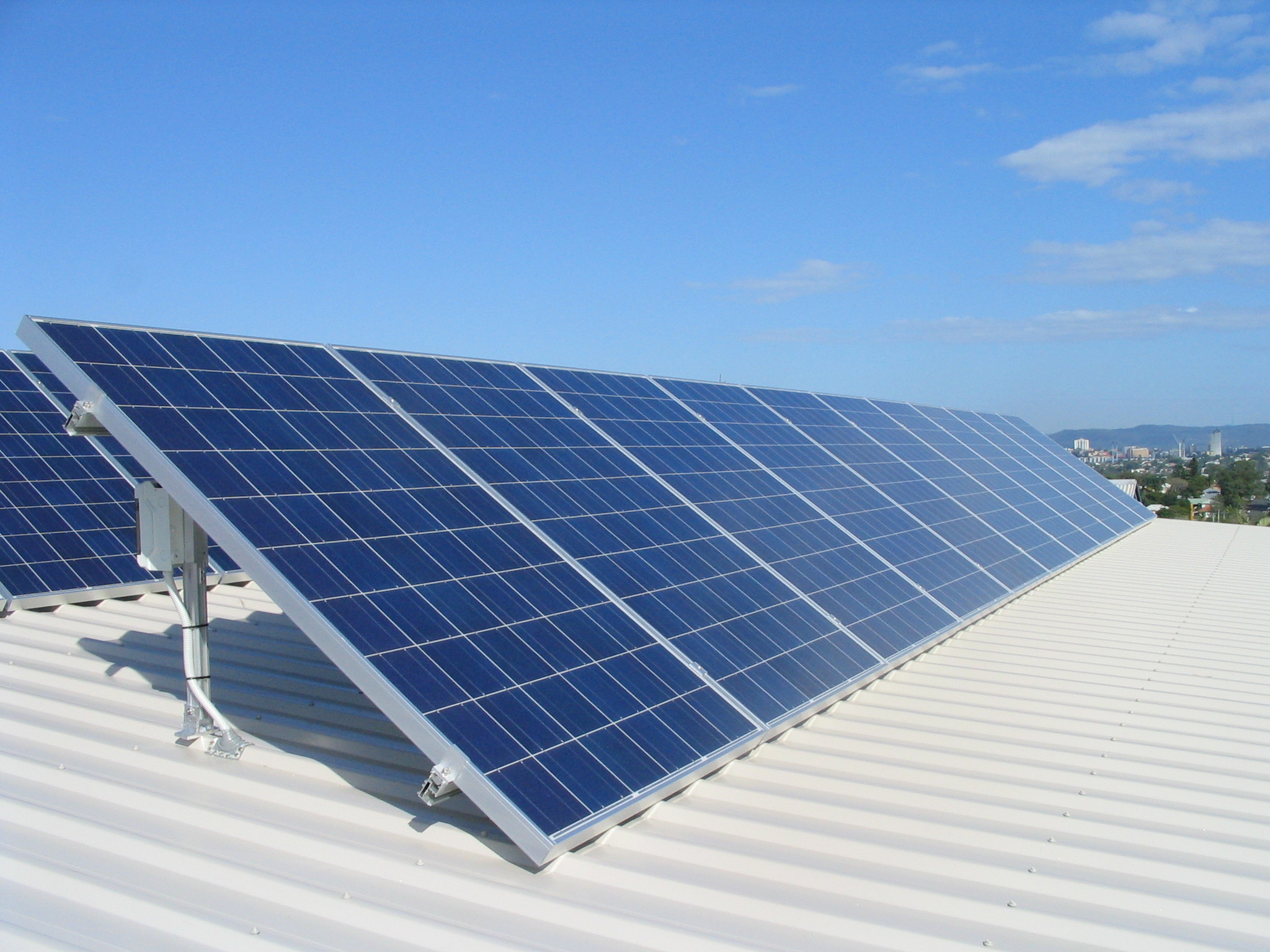
At BB&A, we aren't just interested in helping you be more responsible. We are committed to responsibility ourselves.
We are proud of our Solar Electric System at our Coburg office.
To see a live look at how we are doing,
Industry News
Phase I Environmental Site Assessment standard gets updated
Phase I Environmental Site Assessment standard gets updated
Major revisions associated with ASTM E 1527-2013 include a “simplified ” definition of a Recognized Environmental Condition (REC), a revised definition for a Historical REC, and a new definition for a “Controlled” REC Vapor Intrusion risk is now included in a Phase I ESA and should be performed in accordance with ASTME2600-10. The updated ASTM E 1527-2013 also includes minor changes associated with regulatory file reviews, more extensive historical reviews associated with industrial or manufacturing properties, and other changes.
The Oregon Department of Environmental Quality (DEQ) has issued revisions to the National Pollution Elimination System (NPDES) Industrial Stormwater Permits 1200-Z (effective July 1, 2012—June 30, 2017), 1200-ZN (new facility not previously permitted; effective October 1, 2011—September 30, 2016), and 1200-COLS (Columbia Slough; effective October 1, 2011—September 30, 2016). For some parameters, statewide benchmarks and reference concentrations for impairment pollutants have become significantly more stringent. For example, the benchmark for total zinc has been reduced from 0.6 mg/l to 0.12 mg/l. The new permits also include 26 sector specific monitoring requirements which, in addition to statewide benchmarks, include additional parameters and corresponding benchmarks. Facilities discharging to impaired waters (determined by the DEQ) must meet additional requirements. There are also new corrective action requirements for impairment pollutants and benchmark exceedance. For more detailed information View or Print a Stormwater Management Brochure.
The federal Underground Injection Control (UIC) program, enacted in 1974 under the Safe Drinking Water Act (SDWA), is administered by the Oregon Department of Environmental Quality (DEQ) and is intended to protect groundwater resources from contamination. Stormwater UIC systems are any man-made design or structure which allows discharge of stormwater below ground. Common UIC systems include, for example, dry wells, soakage trenches, and infiltration galleries. A UIC must be approved by the DEQ through Authorization by Rule (AR) or under an individual Water Pollution Control Facilities (WPCF) permit. Requirements for obtaining AR, operating a UIC or closing a UIC are set forth in Oregon Administrative Rules (OAR) 340-044-0005 through 340-044-0055. For more detailed information View or Print a Stormwater Underground Injection Control System Brochure.
Contaminant Vapor Intrusion Into Structures – Do You Know The Risks?
Contaminant Vapor Intrusion Into Structures – Do You Know The Risks?
In 2010, the American Society for Testing and Materials (ASTM) issued a standard (ASTM E-2600-10) for conducting a Vapor Encroachment Condition (VEC) on property involved in real estate transactions with respect to volatile contaminants (e.g., solvents, gasoline) that can migrate as vapors into existing or planned structures. Possible sources for volatile contaminants could include dry cleaners, leaking underground storage tanks, or old landfills to name a few. Since introduction of this new standard in 2010 and the previous 2008 standard, not all Phase I Environmental Site Assessments (ESAs) associated with property transactions have included a VES, potentially leaving the buyer and/or lender facing a potential loss in property value, cleanup costs, or possible lawsuits if a Vapor Encroachment Condition (VEC) exists.
What should you do? If you are buying a property and are having a Phase I ESA completed, insist that your environmental consultant include completion of VES, as warranted.
On the national front, the Environmental Protection Agency (EPA) on January 31, 2011, has moved vapor intrusion to the forefront by presenting a proposal to add a vapor intrusion element to its Hazard Ranking System. This action by the EPA underscores the risk to human health posed by vapor intrusion of volatile chemicals.
What to do if a VEC Exists? A VES follows a tiered process to determine whether a VEC exists on a property. A Tier 1 screen is completed first followed by a Tier 2 screen. A Tier 2 screen can include both non-invasive and invasive data collection such as sampling indoor air, soil, and/or groundwater If a VEC is identified through additional analysis or testing, a buyer can choose to walk away or the property owner may develop methods to mitigate vapor intrusion issues. For undeveloped properties, methods to prevent vapor intrusion are relatively inexpensive to incorporate into site development and building design. For existing buildings, methods are typically more costly.
In related news, the Oregon Department of Environmental Quality (DEQ) has recently developed guidance for assessing whether a vapor intrusion condition exist at a property where a subsurface release of hazardous chemicals has impacted soil and groundwater. At cleanup sites, we have seen a spike in direct sampling to evaluate health risks from vapor intrusion into on-site buildings and outdoor air. While DEQ guidance has been available since March 2010, we have seen recent increasing scrutiny as DEQ project managers become apprised of the technical issues. For more information about Vapor Intrusion Assessments, Indoor Air Sampling, or Phase I ESAs, please contact Randall J. Boese at BBA Environmental at 503-570-9484, ext. 1.
Environmental Protection Agency (EPA) Sets Final Amendments for Spill Prevention Control and Countermeasure (SPCC) Rules
Environmental Protection Agency (EPA) Sets Final Amendments for Spill Prevention Control and Countermeasure (SPCC) Rules
EPA announced final amendments to the SPCC Rules On November 5, 2009. The final amendments revise the December 2008 amendments following considerations presented by the regulated community. Final revision to the December 2008 rule removes provisions to: exclude farms and oil production facilities from the loading/unloading rack requirements; exempt produced water containers at an oil production facility; and provide alternative qualified facilities eligibility criteria for an oil production facility. The revised rule is effective January 14, 2010. The EPA has extended the compliance date for the revisions for all facilities until November 10, 2011. All facilities, including farms, must amend or prepare, and implement SPCC Plans by the compliance date in accordance with revisions to the SPCC rule promulgated since 2002.
Department of Environmental Quality (DEQ)Vapor Intrusion Update
Department of Environmental Quality (DEQ)Vapor Intrusion Update
Since the DEQ significantly lowered the risk-based concentrations (RBCs) for naphthalene, many heating oil cleanup projects have required increased risk assessment and/or engineering controls to address vapor intrusion for naphthalene and total petroleum hydrocarbons. An increased number of cleanup projects with contamination over 2,500 ppm have required soil gas sampling to eliminate the vapor intrusion exposure pathway. In their February 2010 Contractors Bulletin, the DEQ’s Heating Oil Tank Program has updated the RBC table to include RBCs for heating oil constituents in soil and groundwater for the Vapor Intrusion into Buildings exposure pathway. Also, the DEQ is requiring work plans and the completion of a work plan checklist (see page 4 of the July 2009 Contractor Bulletin) prior to conducting soil vapor sampling. Look for DEQ to announce vapor intrusion guidance training in the coming weeks.
The full text of the DEQ’s February 2010 Contractor’s Bulletin can be found Here


